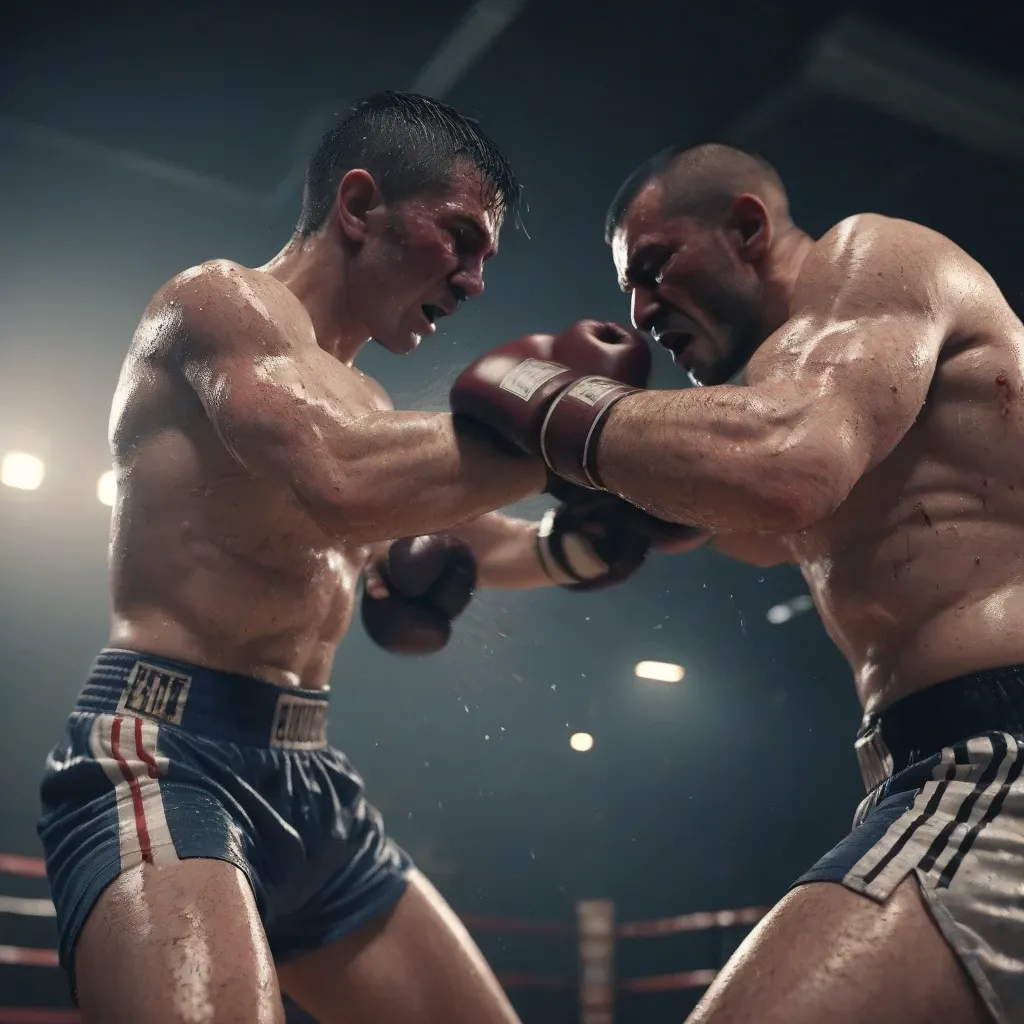
Beyond the flashy knockouts and long-range jabs lies a gritty, high-stakes world of combat: dirty boxing within the clinch. Imagine two fighters locked in a tight embrace, a whirlwind of controlled chaos where every inch matters. This isn’t your typical boxing match; it’s a strategic battle fought in the trenches. Dirty boxing is a specialized skill within clinch fighting, emphasizing close-quarters combat techniques that can turn the tide of a fight. It involves a blend of boxing skill, grappling awareness, and strategic cunning.
This exploration of dirty boxing will cut through misconceptions, detailing the legal boundaries of these techniques. Mastering dirty boxing is more than just throwing short punches; it’s about controlling your opponent, creating openings, and maximizing damage in confined spaces. In the realm of inside fighting, where leverage and technique reign supreme, dirty boxing emerges as a powerful tool for those who dare to get close.
Defining the Clinch and Dirty Boxing
In the intense world of boxing, understanding specialized techniques can provide a crucial edge. Two such concepts are the ‘clinch’ and ‘dirty boxing’. Although often used interchangeably by casual observers, they represent distinct aspects of the inside game. Let’s break down the boxing terminology.
The clinch is a specific grappling situation that occurs when fighters are in close proximity. It’s a temporary pause in the striking exchange where one or both boxers wrap their arms around their opponent, typically around the head or torso. The purpose might be to recover stamina, disrupt the opponent’s rhythm, prevent further attacks, or set up a better angle. It’s a tactical embrace, governed by boxing rules, and is broken up by the referee.
Dirty boxing, on the other hand, refers to a range of close-quarters techniques employed within the clinch or when fighters are toe-to-toe. It relies on short, sharp punches, subtle pushes or pulls to disrupt balance, and strategic head positioning. The objective of dirty boxing is to inflict damage and gain an advantage in tight spaces. It’s important to emphasize that dirty boxing, when executed correctly, is entirely legal and different from blatantly illegal tactics like eye-gouging or hitting below the belt; it’s a test of skill performed within the boxing rules.
Legal vs. Illegal: Knowing the Boundaries
The sweet science isn’t always so sweet up close. Inside fighting, or “clinch work,” walks a fine line between strategic maneuvering and outright foul play. Understanding the rules is paramount to avoid penalties and maintain a clean fight. While referees oversee the action, fighters must also know what’s permissible within the established boxing guidelines.
So, what is legal in the clinch? Think of it as a controlled tie-up. Short, controlled punches are generally allowed, often targeting the body. Fighters can use shoulder leverages to create space or disrupt their opponent’s balance. The emphasis is on controlled action. Referees will typically step in when the action stalls or becomes excessively static.
What crosses the line? Excessive holding, designed to simply smother the opponent without any attempt to punch or create space, is a common foul. Hitting on the break – landing a punch after the referee has instructed the fighters to separate – will almost certainly draw a warning and potentially a point deduction. The use of elbows or knees is strictly prohibited in boxing, and any intentional (or even reckless) use of these strikes will result in severe penalties. Remember, the referee’s commands are absolute. Ignoring them, or attempting to sneak in a shot after the break, demonstrates a lack of sportsmanship and undermines the integrity of the match. Fighters are expected to respect those boundaries, as referees are the ultimate arbiters of fair play, and consistent violations can lead to disqualification.
The Strategic Value of Clinch Work
In the sweet science of boxing, the clinch is more than just a close-quarters entanglement; it’s a strategic tool with multifaceted applications. One of its primary values lies in its ability to disrupt an opponent’s rhythm. A well-timed clinch can effectively halt a fighter who’s found their groove, breaking their momentum and forcing them to reset.
Beyond disruption, the clinch can be a catalyst for offensive opportunities. By tying up an opponent, a skilled fighter can create openings for short, compact punches that are difficult to anticipate. These sneaky blows can inflict damage and throw off the opponent’s balance, paving the way for a change in range or a more significant attack.
Furthermore, the clinch offers a vital respite in the heat of battle. Controlled clinching allows a fighter a brief moment to manage fatigue; it’s a chance to lean on an opponent, take deep breaths, and recover stamina before disengaging and resuming the fight. This tactical reset can be crucial in later rounds, preserving energy and ensuring optimal performance.
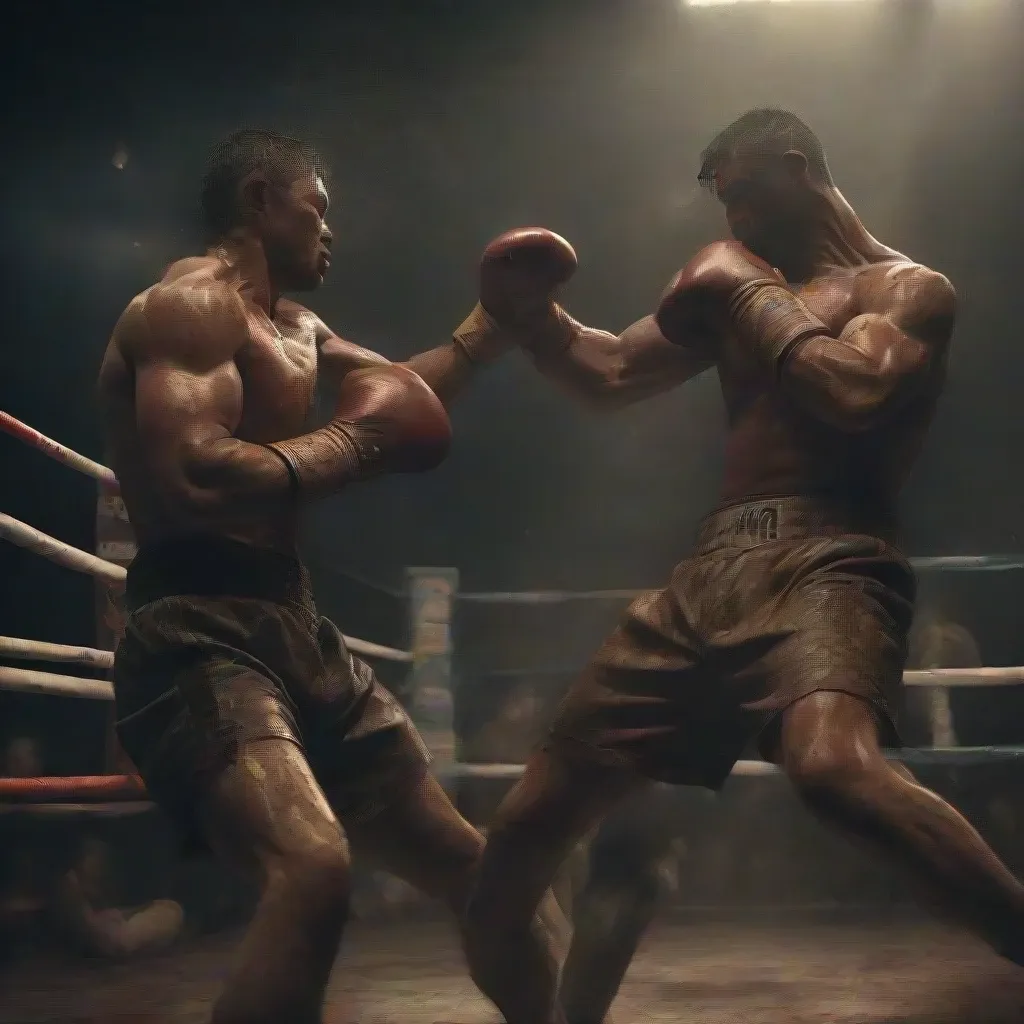
Dirty Boxing Techniques Within the Clinch
Dirty boxing shines in the clinch, transforming a close-quarters grappling situation into a phone booth brawl. The goal isn’t pretty; it’s about inflicting maximum damage with minimal space. Leverage, cunning angles, and explosive short-range power become your best friends. The clinch neutralizes reach advantages, making it prime territory for a skilled dirty boxer.
Unleashing the Short Uppercut
Forget massive, telegraphed uppercuts. In the clinch, the short uppercut reigns supreme. Imagine your opponent’s head is a pinata. Keep your elbows tight, almost glued to your ribs. Explode upwards, driving your fist into their chin or solar plexus. The key is the torque from your core and legs, generating surprising power in such a confined space. Target the chin to snap the head back or aim for the solar plexus to instantly steal their breath. The short uppercut is devastating in the clinch.
Body Shots: The Silent Breakers
Headshots are flashy, but body shots break the will. While clinched, relentlessly pound your opponent’s ribs and midsection. Think short, compact hooks and shovel punches. Dig deep, aiming for the liver or floating ribs. Even glancing blows accumulate damage, draining their stamina and turning their legs to jelly. Mix up your targets; alternate between the ribs and the solar plexus to keep them guessing and maximize the pain. Body shots inside the clinch are fight enders.
Mastering the Shoulder Lever
Dirty boxing isn’t just about punches. It’s about control. Use your shoulder to create space, disrupt balance, and inflict subtle pain. Jam your shoulder into their jaw, neck, or chest. Constant pressure wears them down, makes them uncomfortable, and opens opportunities for strikes. A well-placed shoulder barge can throw them off balance, allowing you to land a quick uppercut or create separation to escape the clinch. Leverage is your greatest weapon in the clinch.
Head Control: Dictating the Fight
Whoever controls the head, controls the fight. Use your forearms and hands to manipulate your opponent’s head. A subtle push or pull can disrupt their balance and vision, creating openings for your strikes. Control their head to prevent them from landing their own shots or escaping the clinch. This inside fighting is not a game.
Training Drills for Close-Quarters Combat
Mastering close-quarters combat hinges on a blend of precise technique, peak physical conditioning, and lightning-fast reaction time. To excel in the clinch and dirty boxing range, consistent and targeted training is essential. The subsequent drills are designed to hone these critical attributes.
Clinch Training Drills
Controlled Clinching Partner Drill: This drill involves two fighters. One fighter initiates a clinch, while inside the clinch, the fighters focus on delivering short punches, such as uppercuts and body shots. The other fighter will then execute a shoulder pressure movement to create space and break free. The emphasis should be on maintaining a strong, stable base and delivering punches with controlled power. The fighter breaking free focuses on creating angular changes, moving either left or right. This drill promotes proper technique, balance, and stamina within the clinch.
Dirty Boxing Sparring Exercises
Short Punch Sparring: Focus sparring rounds specifically on fighting within the pocket. Fighters must remain within arm’s reach and utilize only short punches like hooks, uppercuts, and body shots. This develops the ability to generate power and accuracy in tight spaces while improving defensive awareness.
Strength and Conditioning for the Clinch
Medicine Ball Twists: These exercises build core strength and rotational power, essential for generating force in short-range punches and controlling opponents in the clinch. Perform these with a weighted medicine ball, twisting from side to side while maintaining a stable core.
Reaction Time Reflex Drills
Rapid Punch Defense Drill: A training partner throws a series of quick, light punches towards the fighter’s guard. The fighter must react instantly to block, slip, or parry each punch. This improves reflexes, hand-eye coordination, and defensive instincts in close-quarters situations.
Consistently performing these training drills should lead to significant enhancements in close-quarters combat effectiveness. By integrating these drills into a comprehensive training program, fighters can sharpen their technique, increase their stamina, and improve their reaction time, making them formidable in the clinch and in dirty boxing exchanges.
Integrating Clinch Work into Your Boxing Style
Clinch fighting isn’t just a standalone skill; it’s a potent addition that can be seamlessly woven into a broader boxing style. Think of it as another tool in the toolbox, ready to be deployed when the situation demands. The key is tactical flexibility and smart game planning, understanding when and how to transition from long-range striking to close-quarters combat.
How does this integration work in practice? For an offensive-minded boxer, clinch work can disrupt an opponent’s rhythm, creating openings for power punches upon separation. For a defensive stylist, the clinch offers a temporary respite, a chance to smother an aggressive opponent and reset the fight. Against an orthodox fighter, utilizing the orthodox stance in a clinch can off-balance them, while facing a southpaw fighter on the inside presents unique angles for strikes and control.
The most crucial aspect is opponent adaptation. Against a rangy, elusive boxer, closing the distance and initiating a clinch negates their reach advantage. Against a powerful puncher, clinching can stifle their knockout power. Every fight is a unique puzzle, and dirty boxing techniques must be adjusted accordingly. It’s about recognizing weaknesses, exploiting vulnerabilities, and constantly adapting the game plan to maintain control and dictate the pace.
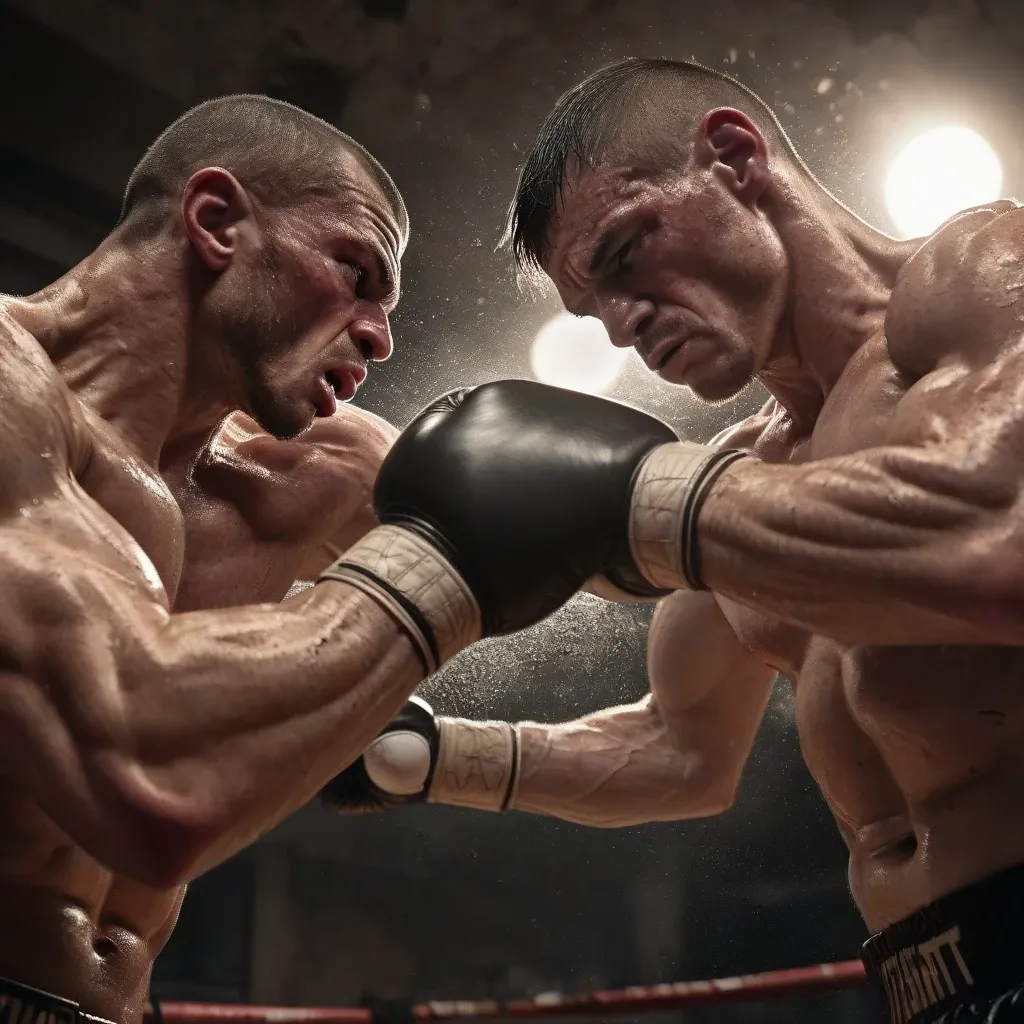
Case Studies: Fighters Who Excelled in Clinch Fighting
Clinch fighting, often underestimated, has been a cornerstone of success for numerous boxing legends. It’s a gritty, close-quarters battle where technique, strength, and cunning blend to neutralize opponents and create openings. Examining fighters celebrated for their clinch work reveals the diverse applications and advantages of this often-overlooked art.
Roberto Duran: “Hands of Stone” wasn’t just a power puncher; he was a master of controlled aggression. Duran’s clinch work was suffocating. He’d trap opponents, using short, brutal punches to the body and ribs. Duran would use headbutts and elbows, adding another layer of discomfort. His high guard and constant pressure made him a nightmare inside.
Mike Tyson: Early in his career, Tyson’s peek-a-boo style made him a devastating in-fighter. While known for explosive power, he was also adept at using the clinch to his advantage. He would explode into the clinch after landing hard shots, using it to smother his opponent’s response, wear them down, and setup more attacks at close range.
Evander Holyfield: Holyfield, known for his toughness, understood the importance of controlling range and tiring his adversaries. Holyfield often used the clinch defensively, tying up opponents trying to unleash combinations and to create brief periods of rest.
These boxing examples emphasize that clinch fighting is more than just holding. It’s a calculated strategy to control the pace, inflict damage, and dictate the terms of engagement. These clinch fighters demonstrate that mastering inside fighting is essential for any boxer aiming for greatness showing how these clinch fighters have secured their spots among boxing legends.
Common Mistakes and How to Avoid Them
Even seasoned fighters can slip up in the heat of close-quarters combat. Recognizing common boxing mistakes in the clinch and dirty boxing is the first step toward eliminating them. One frequent error is poor clinch control, which entails failing to secure a dominant position, leaving you vulnerable to counterattacks. Imagine a boa constrictor; you need to wrap and squeeze, not just hug. Another slip-up is telegraphing punches. In the clinch, space is tight, so obvious tells will get you punished. Think of a coiled spring; your punches should explode from a relaxed position, not a wound-up one.
Ignoring the referee’s commands is detrimental. Failure to break cleanly can lead to fouls and point deductions. Picture a coiled snake ready to strike; keep your distance and be prepared to defend when the referee separates you. To correct these deficiencies, drill specific clinch entries and exits. Practice quick, concealed punches, and always pay attention to the referee. Consistent training with these tips in mind will reduce mistakes and enhance your close-range skills.
Conclusion
In summary, mastering dirty boxing within the clinch provides a decisive edge in close-quarters combat. The ability to disrupt an opponent’s balance, land effective strikes, and control the fight’s pace translates to a significant advantage. This mastery allows a fighter to stay dangerous even at a close distance. Clinch fighting is a crucial element in a fighter’s repertoire. Embracing these techniques to refine your inside fighting game is essential. Continue to explore, practice, and integrate these strategies to become a more well-rounded and formidable fighter.