Valorant esports is a realm of lightning-fast reflexes and pinpoint accuracy, where every millisecond counts. Yet, raw skill alone doesn’t guarantee victory. Behind the headshots and clutch plays lies a strategic battlefield often underestimated: the pick/ban phase.
Think of it like this: imagine a scenario where your team boasts incredible aim, capable of hitting shots most players only dream of. But despite this advantage, you find yourselves consistently outmaneuvered and outgunned. The reason? Perhaps your agent composition is simply not suited for the map or the opposing team’s strategy. This is where the pick/ban phase comes in – a chance to proactively shape the game to your advantage. Or disadvantage, if you are not careful.
The pick/ban phase is the chess match before the gunfight as a tug-of-war of minds, where teams strategically select and eliminate agents and maps to gain a competitive edge. Mastering this phase is not just about knowing which agents are strong; it’s about understanding team compositions, map layouts, opponent tendencies, and the ever-evolving meta. It’s about denying the opposition their comfort picks while securing your own.
For the uninitiated, the pick/ban phase can seem like a daunting maze of options and counter-picks. But fear not! Understanding its intricacies is essential for anyone serious about climbing the ranks or simply wanting to appreciate the deeper layers of Valorant esports.
Consider this article as your expert guide, and a comprehensive breakdown of the pick/ban phase, designed to equip you with the knowledge and insights to navigate the pre-game strategy like a seasoned pro. We’ll explore key concepts, common strategies, and the crucial factors that separate winning teams from those who fall short before the first bullet is even fired.
The Fundamentals of the Pick/Ban Phase
The pick/ban phase is a crucial element in competitive games. It’s where teams strategically select and eliminate options—maps, agents—to gain a competitive edge before the actual gameplay even begins. Understanding the rules, different formats, and common terminology is essential for grasping the advanced strategies that unfold.
Several formats dictate the flow of the pick/ban phase, one example being the VCT format used in Valorant. These formats define the order in which teams pick and ban. The goal is simple: manipulate the available choices to create a more favorable environment for your team. It is about stripping the opponent of their comfort picks while securing your team’s strengths. From a fundamental point of view, the pick/ban phase is all about maximizing your chances of success.
Understanding the Veto System
The veto system is the heart of the pick/ban phase. It involves teams taking turns eliminating maps, agents, or other selectable options from the pool. This process continues until the final map or agent selections are determined. Different veto strategies can heavily influence the final playable map and agent pool. For example, a team might ban a map where they know their opponent excels. Or, it might remove an agent known to counter their star player’s strategies. The veto system is a chess game played before the main event.
Pick Order and its Implications
The order in which teams pick agents is another strategic element. It is full of subtle implications. Some teams prioritize picking their strongest agents early. This ensures they secure them before the opponent can. Others might wait, trying to counter-pick the enemy team’s selections. It can also be utilized to force the other team to play uncomfortable compositions. Clever teams use the pick order to gain an edge by controlling the available team compositions. The pick order adds a psychological layer to the draft.
Analyzing the Meta: Understanding Agent Strengths and Compositions
A firm grasp of the current agent meta, along with map-specific agent viability and advantageous team compositions, is absolutely essential for executing effective pick and ban strategies. The agent meta is in constant flux, shaped by patch updates that bring buffs, nerfs, and reworks to different agents. Keeping up with those adjustments is important to understanding the current agent strengths and weaknesses. For example, a recent update might have significantly boosted the pick rate of an agent like Reyna, while slightly decreasing the impact of an agent such as Sova. Recognizing these shifts allows you to anticipate opponent picks and craft counter-strategies.
Certain agents shine on specific maps due to the map’s layout and characteristics. A tight map like Bind favors aggressive duelists, while larger, more open maps call for controllers with strong zone control. Being aware of the current map rotation in your competitive pool and pre-planning agent selections based on map characteristics gives you a strategic advantage. Staying up-to-date usually requires consistent gameplay, watching professional VCT matches, and learning through community content creators. Their analysis is helpful in optimizing strategic approaches.
Map-Specific Agent Tier Lists (2026)
Map-specific agent tier lists offer valuable insights into which agents are most effective on each map in Valorant. According to some analysts, agents, like Cypher, could be S-tier on maps like Ascent due to his ability to control key areas and provide crucial information with his Spycam and Cyber Cages. On the other hand, speedy duelists, like Raze or Jett, excel on maps like Split and Fracture. These maps feature tight corridors and multiple entry points, allowing them to capitalize on their explosive abilities and mobility to take and hold ground.
The ability to identify emerging map-agent synergies can set you apart. For instance, combining a strong controller like Viper on Breeze with a sniper such as Chamber creates a formidable defensive wall, effectively shutting down enemy pushes. Analyzing how team compositions interact with map layouts can significantly influence the outcome of a match, potentially swinging win percentages by a large margin.
Synergistic Agent Compositions
The right team composition can be the deciding factor in securing victory. Successful teams are usually built around agents whose abilities complement each other, creating a cohesive and powerful unit. For instance, a team featuring Viper and Cypher can excel at controlling territory, denying vision, and slowing down enemy pushes. Viper’s Toxic Screen and Poison Cloud can isolate areas, while Cypher’s Cyber Cages and Spycam provide valuable information and further restrict enemy movement. Combining this duo with an initiator like Sova, grants the team excellent reconnaissance capabilities, allowing for coordinated pushes and retakes.
From my own experience, I’ve seen teams with well-thought-out compositions consistently outperform individual skill. Prioritizing a strategic team comp can often outweigh individual aim duels, especially in highly competitive games.
Strategic Considerations: Map Control, Counter-Picking, and Psychological Warfare
The cornerstone of a winning Valorant team lies in its ability to master the pick/ban phase, weaving together map control, calculated counter-picks, and subtle psychological ploys. Smart teams do not just select agents; they sculpt the entire battlefield. Map control begins long before the first bullet is fired. By strategically banning maps that favor the opposing team’s composition or preferred playstyle, you immediately gain an advantage. For instance, if the other team is known for its strong defense on Ascent, a ban forces them onto less comfortable ground. The next step is manipulating agent picks to further control the map. Picking agents known for early aggression or strategic site control will put you ahead for map control from the very start.
I once played against a team notorious for their hyper-aggressive Raze main on Bind. We knew he’d pick her, so we banned Bind. It completely threw off their rhythm, leading to a swift victory.
Exploiting Opponent Tendencies and Weaknesses
Analyzing your opponents is key to exploiting their tendencies and weaknesses during the pick/ban. Scrutinize their past matches, identify their favored agents, and pinpoint their strategic tells. Do they always default to a specific site on attack? Do they have a player who always clutches in 1v1 situations? Once you’ve assembled this intelligence, you can begin crafting counter-strategies. Perhaps banning their best agent or drafting a composition specifically designed to exploit their defensive weaknesses. During a recent tournament, we noticed a team always left Cypher open. Knowing this, we practiced a Cypher-heavy anti-strat which led us to a dominant win.
Agent Baiting and Misdirection
Agent baiting is psychological warfare in its purest form. it involves selecting an agent that you don’t intend to play or picking agents to make the opponent think in a certain way. The goal is to force the opposing team into a predictable counter-pick, which you can then exploit. Sometimes, a team will select an agent, causing the other team to panic pick. One match, we first-picked Reyna, knowing their star duelist hated playing against her. They immediately countered with Yoru, a character he was terrible with. That pick alone shifted the momentum in our favor. Agent misdirection is a chess game of the highest order, where every pick tells a story.
Developing a Pick/Ban Strategy: A Step-by-Step Guide
Crafting a robust pick/ban strategy is crucial for competitive success. This step-by-step guide empowers you to design a strategy tailored to your team’s unique strengths and preferred playstyle. Strategy development becomes more focused when a team understands the nuances. It’s important to develop a system that allows players to comfortably select agents each game. For example, a well-coordinated team composition can shut down an entire enemy team.
Identify Your Team’s Strengths and Weaknesses
Optimizing your team composition starts with honest assessment. Pinpoint what your team excels at like aggressive pushes, map control. Are you strong at executes, post-plant scenarios, or rotations? Conversely, acknowledge weaknesses. Do you struggle against certain agent compositions, map layouts, or playstyles? Recognizing these deficiencies is vital for targeted improvement and allows players to confidently select agents and maps. I had a team that struggled with closing out games, we watched film and identified weaknesses like not checking corners before trying to push to the objective. Once we improved the team started to grow.
Creating a Map Tier List and Agent Prioritization
Effective strategy development extends to map knowledge and agent selection Construct a tier list ranking maps based on your team’s proficiency and comfort level. Prioritize maps that align with your strengths. Then rank agents that are a must pick based on tier list It’s essential to strategize a tournament by having agents selected for each map. Not only that, but having a backup agent for when the opponent pick/bans a must have agent. For instance, if your team thrives on fast-paced aggression, prioritize maps with tight corridors and numerous entry points for agents to accelerate plays. Without agents selected players can feel discomfort and panic. This will make them perform poorly and make bad decisions.
Case Studies: Examining Successful Pick/Ban Strategies in Pro Play
Competitive esports provides a wealth of knowledge when studying pick/ban strategies. By analyzing how professional teams approach the draft, it’s possible to gain insights into the nuances of effective team composition and counter-strategies.
Consider Sentinels, a team known for their calculated approach to agent selection in games. Their strategy often revolves around securing key agents early, forcing their opponents to react. Studying their matches will show how they prioritize individual skill while maintaining strategic flexibility in their compositions.
Another example is 100 Thieves, who adopt a more dynamic pick/ban phase. Reviewing their games demonstrates a willingness to adapt mid-draft in response to the opponent’s choices. The goal is to create favorable matchups and disrupt the other team’s plan.
Personally, I’ve spent hours dissecting these matches, noting the subtle adjustments teams make based on map, opponent tendencies, and internal team strengths. For example, when 100 Thieves identified a weakness in their opponent’s anti-eco strategy, their goal was to get a huge lead early in the game. When Sentinels played against a team with a strong duelist player, Sentinels would ban the agent.
Common Mistakes and How to Avoid Them
Teams often stumble, not from lack of skill, but from repeating the same errors. Recognizing these pitfalls is half the battle. All the practice in the world won’t save you if you’re constantly shooting yourself in the foot with avoidable blunders during agent select and strategy discussions.
One frequent flub? Tunnel vision during agent picks. Sticking rigidly to a pre-conceived plan, regardless of the map, opponent tendencies, or even your own team’s current mood, is a recipe for disaster. Adaptability is key. Another is failing to consider team composition synergies. A squad full of duelists might look flashy, but it lacks the utility and control needed to consistently win. It’s a balancing act – finding agents that complement each other’s strengths and cover weaknesses.
During agent picks, what absolutely NOT to do is ignore your teammates suggestions or playstyles, if a teammate is uncomfortable on a certain agent, its unwise to force such a pick. This can breed a toxic atmosphere and will most likely cost some amount of loss of team cohesion.
Adapting to Different Tournament Formats
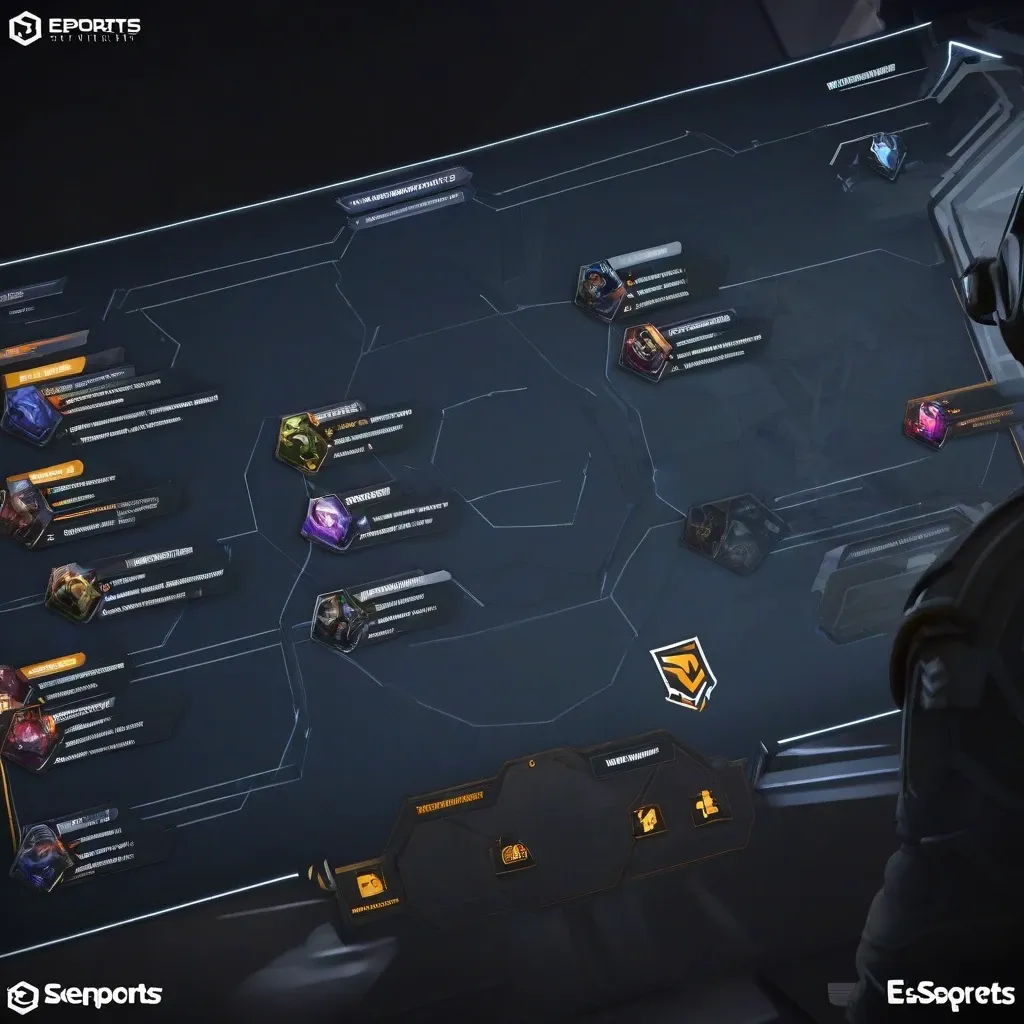
Valorant tournaments come in various formats, and understanding these nuances is crucial for success. A team’s strategies must be as flexible as water to truly dominate a competition. The format dictates which maps are played, how agent selection unfolds, and ultimately, the overall flow of the tournament. For instance, a high-stakes tournament like Champions might allow extensive map selection, enabling teams to leverage their specialized map knowledge and agent compositions. However, smaller, regional tournaments may enforce a more limited map pool, forcing teams to broaden their comfort zones and adapt their agent strategy. Over time, adapting to such challenges not only enhances a team’s existing skills but also fosters growth and innovation, solidifying their position in the competitive scene by changing map strats.
The Future of Pick/Bans in Valorant Esports
Valorant esports is in constant evolution, demanding that teams and players stay ahead of the curve. The future holds unknown elements that will reshape strategies and team compositions. Adaptability will be the key to success.
One potentially successful strategy is to develop a broad agent pool, allowing for flexibility in response to map changes or agent additions. Imagine a team that had mastered Split, only to find its core strategies countered by a new agent designed to shut down chokepoints. To overcome this, the team could adapt by utilizing agents with strong flanking or recon abilities, to avoid the predictable attacks to win the round.
The ever- shifting landscape of Valorant demands a proactive mindset, focusing on mastering a diverse range of agents and strategies to counter any potential change during the match.
Conclusion
To reiterate, the pick/ban phase holds immense value in Valorant esports. Proper application of strategy, map knowledge, and agent selection during this phase can often determine the outcome of matches. The insights shared here are intended to instill a championship-winning mindset focused on the finer points of mastery of esports. Embrace the importance of these strategies and integrate them into your gameplay or coaching. Mastering this crucial phase is not just about improving; it’s about solidifying your path to victory.